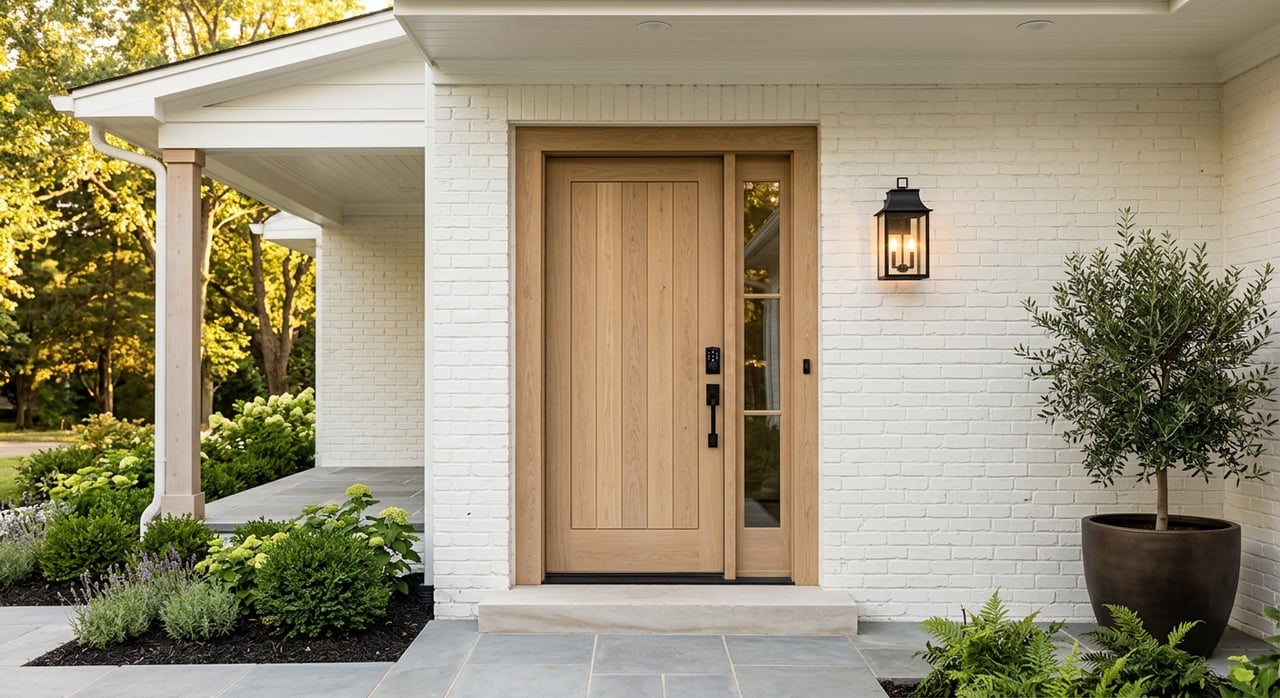
What to Know About a Lake Oconee Vacation Rental Home
July 2, 2026
July 2, 2026
A Lake Oconee home can offer more than just a weekend escape, but if you plan to rent it out even a few times a year, the details matter. You may be picturing a place your family enjoys most of the year, with a few guest stays around holidays, golf weekends, or peak lake season to help offset costs. That can be a smart ownership strategy, but only if the property, the community rules, and the county requirements all line up. Let’s walk through what to know before you buy.
Reynolds Lake Oconee sits in a market built around leisure travel. The Lake Oconee area is promoted as a destination for boating, fishing, golf, dining, resorts, events, family vacations, and weekend getaways, and it is located about 75 miles east of Atlanta with more than 19,000 acres of water. That visitor profile matters because it points to the kind of demand you are most likely to see.
If you are considering occasional rental use, the strongest demand is likely to center on weekends, holidays, lake season, golf trips, and special events. In other words, this is less about steady year-round business travel and more about well-timed guest stays. That can work well if your goal is flexible personal use with selective rental activity.
Reynolds also already operates within a guest-accommodation environment. The community offers cottages, condominiums, and resort lodging, and it states that rentals are available to Reynolds guests. For a buyer, that does not guarantee every home can be rented, but it does show that guest use is part of the broader market context.
The biggest mistake buyers can make is assuming that because a home is in Reynolds, it can be used as a short-term rental. In Greene County, a short-term rental is defined as a rental of less than 31 days. Whether that use is allowed depends on more than the community name.
Greene County requires a residence to be in a Short-Term Rental Overlay District, unless an exception applies, and the owner must hold a current Greene County Short-Term Rental Business License. That license expires every December 31 and must be renewed each year. So before you rely on any rental-use plan, you need to confirm the parcel-specific rules.
Private restrictions matter too. Greene County makes clear that county approval does not override restrictive covenants or other private contractual limits. That means HOA rules, neighborhood covenants, and any Reynolds-specific requirements can still control what you can and cannot do.
Some Reynolds properties do appear to be approved for short-term rental use. One official Reynolds listing describes 1050A Tailwater as short-term-rental approved, fully furnished, and suitable for full-time residence, secondary use, or rental purposes, while also noting that HOA and membership requirements apply. That is a helpful example, but it is still only an example, not a blanket rule for every home.
If occasional rental use is part of your ownership plan, you want answers before you go under contract, not after closing. A quick assumption can turn into a costly surprise.
Here is the practical checklist to review for any Reynolds Lake Oconee property:
This due diligence matters because Greene County says short-term rentals are allowed only in communities with an STRO district, and a community-initiated application requires support from at least 60% of the legal parcels in that residential community. That means eligibility is structured and specific, not informal.
Occasional rental use is not just a casual side benefit. If you rent the home for stays under 31 days, compliance becomes part of your ownership responsibilities.
Georgia requires a $5.00 per night state hotel-motel fee on each night an accommodation is rented or leased. The state says this applies to short-term rentals, including bookings handled through online marketplaces. Once the stay reaches 31 or more consecutive days, it becomes an extended stay rental for this purpose and the fee no longer applies.
Greene County also imposes a 5% hotel/motel tax on occupancy. The county says short-term rental businesses must remit that tax by the 20th of the month following the rental. The county ordinance also states that accommodations furnished to the same customer for more than 30 consecutive days are not subject to the hotel/motel tax.
There are also application requirements tied to setup and registration. Greene County says a Georgia Sales and Use Tax number is required to complete the short-term rental application, and its checklist calls for secure and verifiable ID, evidence of a valid sales tax certification number, and parking documentation such as a diagram or photo. These are not small details. They are part of operating legally.
If you skip the licensing step, the risk is real. Greene County warns that operating without the required short-term rental business license can result in a $1,000 penalty, and each day the unit is marketed or rented counts as a separate violation.
A home you use personally and also rent occasionally has to do two jobs well. It needs to feel easy and enjoyable for your own visits, but also practical for guest turnover, stocking, and maintenance.
Greene County treats all moveable items in a short-term rental as personal property. The county specifically includes appliances, kitchenware, furnishings, hot tubs, linens, and mattresses, and says owners must file a PT 50P return between January 1 and April 1, reporting assets as of January 1 regardless of value. That means a furnished rental property is not just real estate. It is also an operating asset with inventory and reporting responsibilities.
This is one reason turnkey homes can be especially attractive. A furnished, low-maintenance property is often easier to shift between personal use and guest use than a home that needs constant setup or frequent re-staging. The Reynolds Tailwater example reflects that kind of fit because it is described as furnished and minimal-maintenance.
Not every beautiful lake home is equally easy to manage as an occasional rental. Some homes simply fit the model better.
Look for practical features like:
These features matter because guest use creates more moving parts than private use alone. Greene County’s own application checklist highlights parking documentation, which is a good reminder that operations matter just as much as aesthetics.
Before you buy, decide how hands-on you want to be. Even a home rented only a few times a year needs someone to manage bookings, guest communication, cleaning, restocking, and any issue that comes up between stays.
Greene County allows a local contact person on the short-term rental application. That can be helpful if you do not plan to self-manage every detail. If bookings run through a marketplace innkeeper, Georgia says that marketplace is responsible for collecting and remitting the state hotel-motel fee, which can simplify one part of the process.
Your management options may include:
The best fit depends on how often you plan to rent, how close you live, and how much operational involvement you want.
It is easy to focus on income possibilities first, but a smarter approach is to start with legal fit and lifestyle fit. Ask whether the home works for the way you want to use it, then confirm whether the county and the private rules support occasional rental activity.
From there, think about whether the property is easy to maintain, easy to furnish, and easy to operate. In a leisure-driven market like Reynolds Lake Oconee, the best occasional-rental homes are often the ones that feel effortless for both the owner and the guest.
If you are shopping with occasional rental use in mind, it helps to treat each property as its own case study. One home may be an excellent fit, while another nearby may not support the same plan at all.
A thoughtful purchase here is less about chasing broad assumptions and more about verifying the details. When the use case, property setup, and compliance path all line up, a Reynolds Lake Oconee home can support both personal enjoyment and selective guest use in a very practical way.
If you are exploring Reynolds Lake Oconee with occasional rental use in mind, working with a local agent who can help you think through property fit, resale value, and the questions to verify can make the process much smoother. When you’re ready to talk through your goals, connect with Madi McPhillips.
Stay up to date on the latest real estate trends.
Madi McPhillips offers refined representation backed by deep local expertise and strong community ties. With strategic insight and skilled negotiation, she delivers elevated service and exceptional results across the Greater Athens market.