New Construction In Oconee County: What Buyers Should Expect
June 4, 2026
June 4, 2026
Thinking about buying new construction in Oconee County? It can be exciting to picture a brand-new kitchen, a more functional floor plan, and fewer immediate repair worries, but the process is not always as simple as picking finishes and waiting for move-in day. If you are comparing spec homes, semi-custom builds, or a home that has not started yet, it helps to know what can affect timing, cost, and expectations in this local market. Here is what you should expect before you sign, during the build, and as you get closer to closing.
Oconee County continues to attract buyers who want more space, newer homes, and flexible layouts. The county's 2025 Census estimate is 44,893, up 7.4% from 2020, and the owner-occupied housing rate is 81.3%. The median owner-occupied home value is $461,600, which gives helpful context for why many buyers here are weighing long-term value and function carefully.
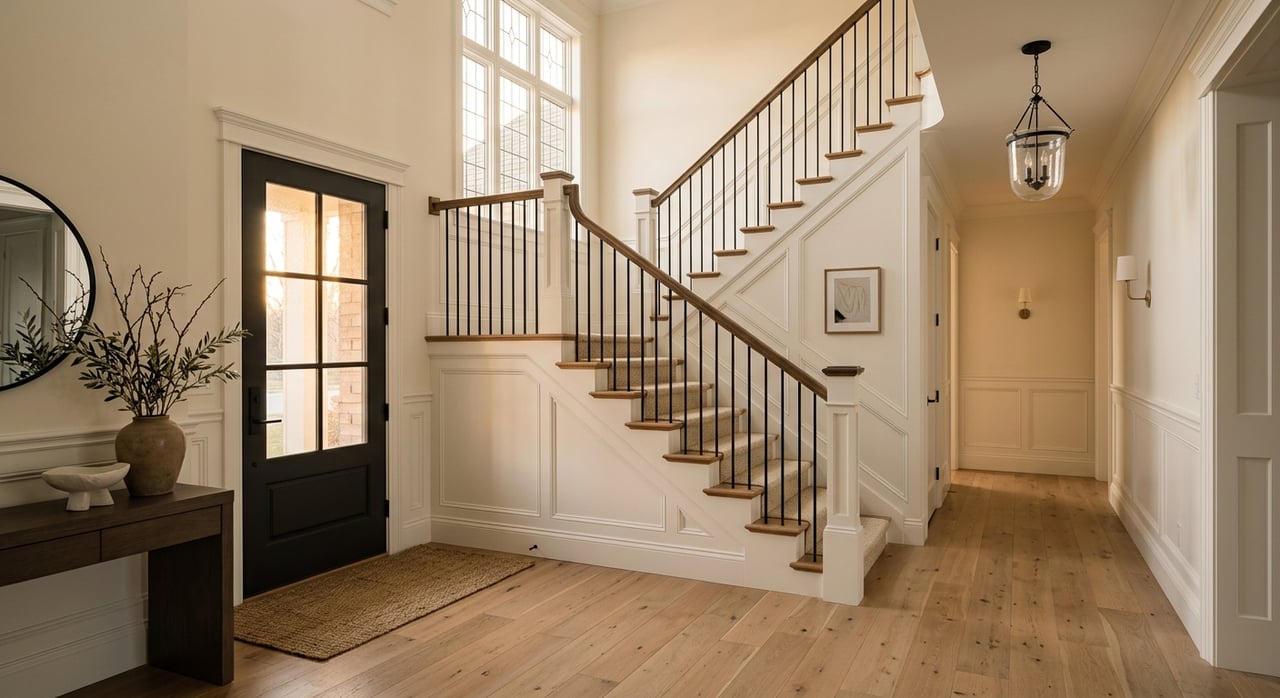
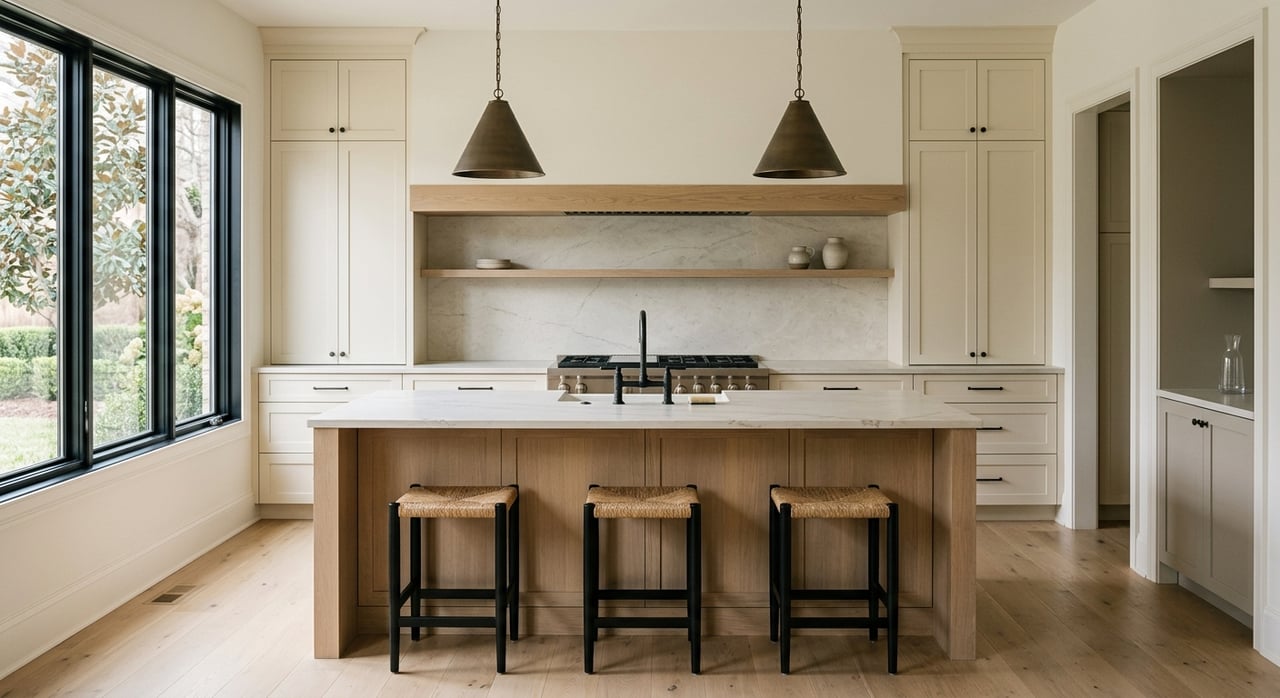
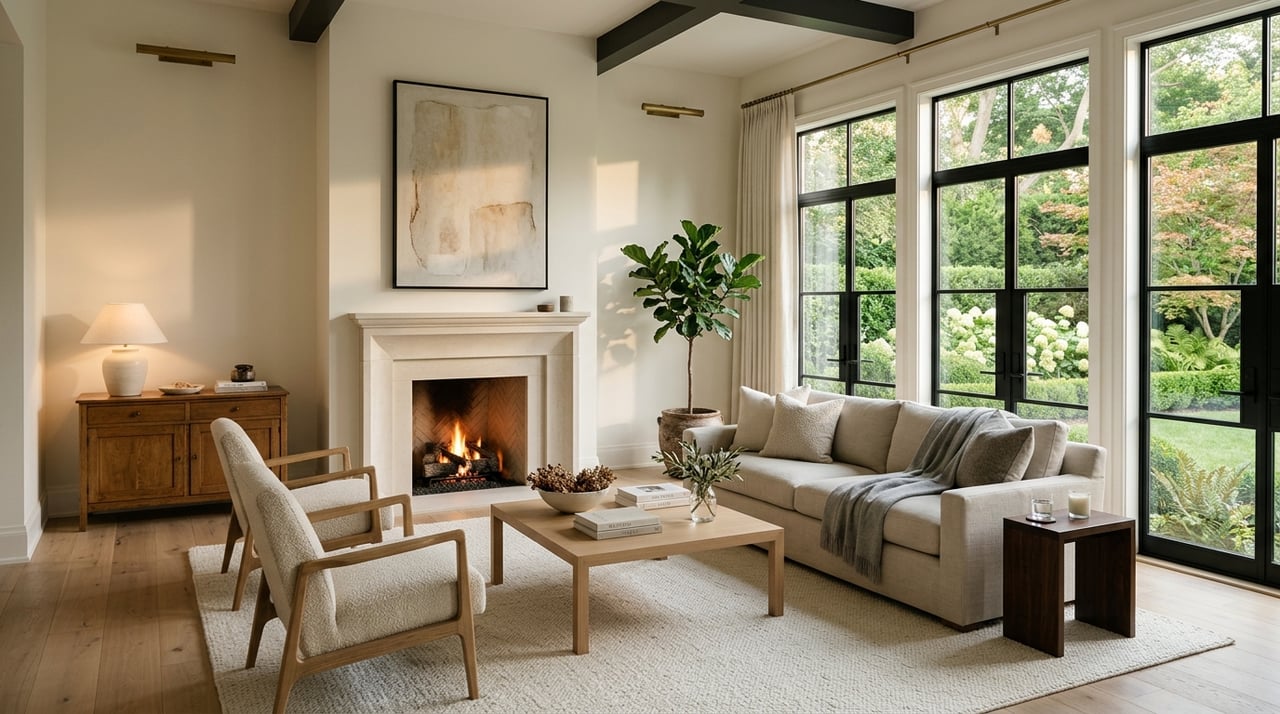
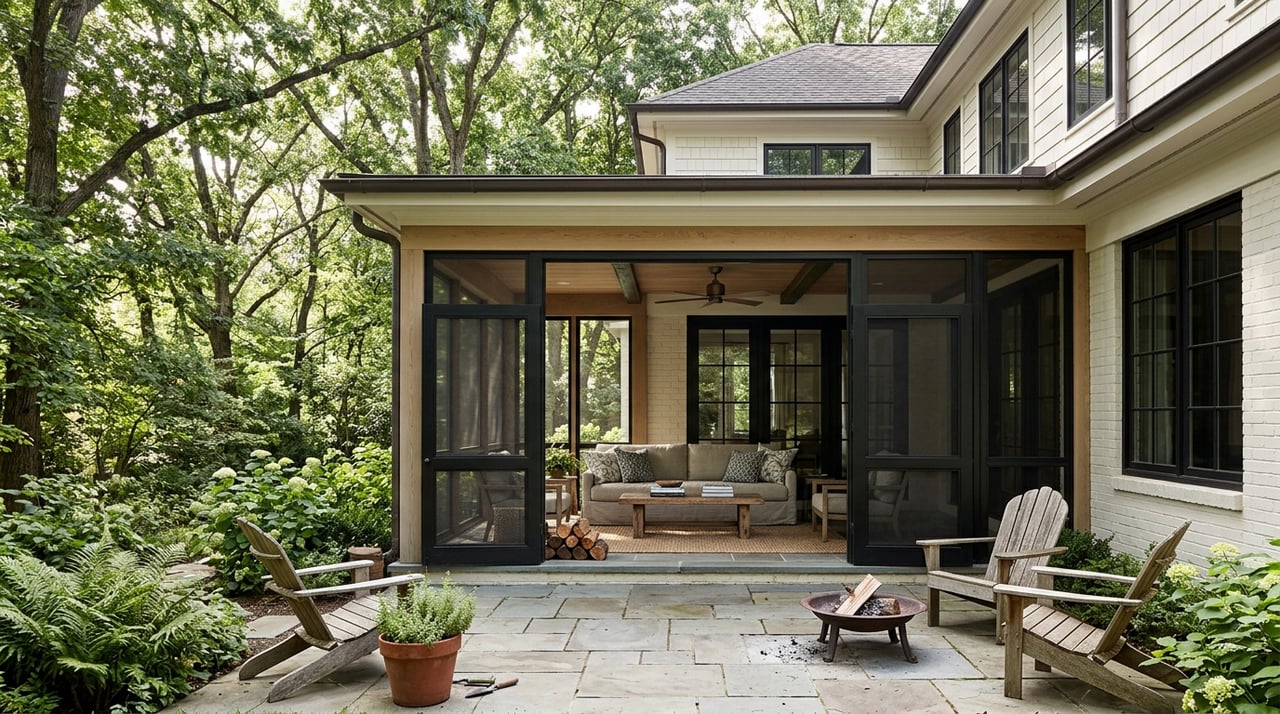
For many households, new construction feels appealing because you can often get modern layouts and less deferred maintenance at the start. In Oconee County, local new-construction examples commonly feature open main living areas, large kitchen islands, walk-in pantries, covered porches or patios, flex rooms, lofts or bonus spaces, and options like basements or 3-car garages. These features are not universal, but they reflect what many buyers are seeing as they compare homes across the county.
Before you focus on finishes, ask what kind of home you are actually buying. That one question can shape your timeline, your choices, and your risk.
A spec home is usually already under construction, or close to finished, before a buyer steps in. This option can offer a faster path to closing, but your design choices may be limited depending on how far along the build is.
A semi-custom home often starts with a builder's plan and then allows some selections or upgrades. You may have more flexibility than with a spec home, but you still need to understand exactly what is included in the base price and what will cost extra.
A to-be-built home typically gives you the longest timeline and the most moving parts. If the lot, permits, utilities, or site work are not fully ready, your closing timeline may be more vulnerable to delays.
One of the biggest surprises for buyers is that delays can happen well before the home starts to look like a house. In Oconee County, residential permit applications are checked for completeness within 10 work days, and once a complete residential application is received, the Planning Director has 2 weeks to indicate approval or disapproval.
That sounds straightforward, but it still means timing depends on whether the application is truly complete and whether the lot requires extra approvals or documentation. A spec or to-be-built home can stall during the administrative stage before major construction gets moving.
The county also states that a building permit becomes invalid if work does not begin within 6 months or if the project is suspended or abandoned for 1 year. For you as a buyer, that is a reminder that not every new-construction timeline is linear.
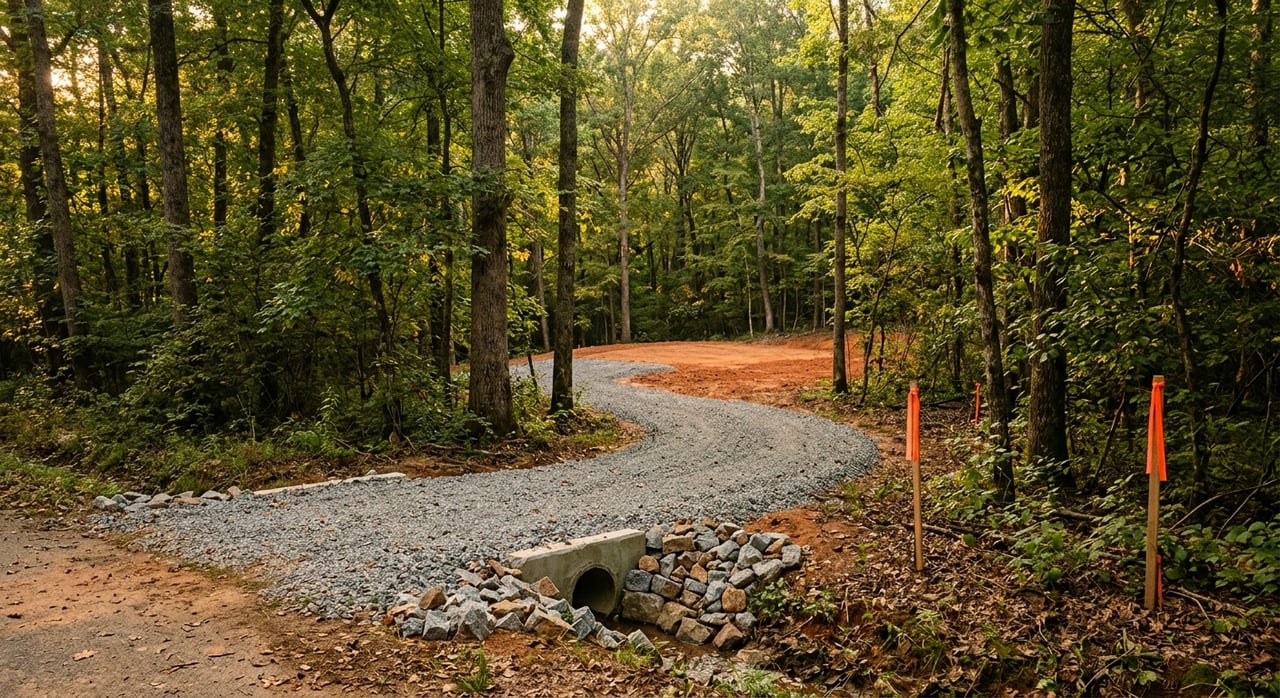
In Oconee County, the lot itself can affect cost, timing, and feasibility. This is especially important if you are building on raw land or choosing a homesite that has grading, utility, or drainage complications.
The county's residential permit checklist may require documents such as a flood elevation certificate if applicable, a subgrade verification form on fill lots before footing inspection, and either a septic permit or a water-resources sewer receipt. If the home is not on a well, a water receipt is also required.
In practical terms, two homes with similar floor plans can have very different paths to completion based on the lot. That is why lot-specific due diligence is just as important as picking the plan itself.
If you are buying in a rural or semi-rural part of Oconee County, do not assume every lot works the same way. Some homes may connect to county water and sewer, while others may require septic and well infrastructure.
Oconee County also has separate water and sewer extension applications, and water or sewer inspections generally require at least two business days' notice. Several utility checks happen before backfill, which can add steps to the process. If utilities are not fully lined up, your build timeline can feel slower than expected.
Many buyers assume all new homes are built to the exact same current standard. In Georgia, that is not always true.
Georgia updated its minimum construction codes effective January 1, 2025. For buyers, the practical takeaway is simple: "new construction" is not one fixed code package because the permit date matters. Two homes completed around the same time may have different code baselines depending on when permits were pulled.
That does not automatically make one home better or worse, but it does mean you should ask informed questions rather than rely on the word new alone.
A home can look almost finished and still not be ready for occupancy. In Oconee County, it is unlawful to occupy a building until a certificate of occupancy has been issued.
The county states that occupancy is authorized by the Planning Director based on final inspection and issuance of the certificate of occupancy. That means drywall, cabinets, countertops, or even completed landscaping do not guarantee you can move in on schedule.
If your lease is ending or you are coordinating a sale and purchase, this point matters a lot. A closing delay can happen if final inspections or occupancy sign-off are still pending, even when the home appears almost done.
That is why it is smart to ask the builder what happens if permits, inspections, or the certificate of occupancy delay closing. Clear expectations upfront can help you plan with less stress.
When you tour new construction in Oconee County, the comparison is usually about more than finishes. Buyers are often weighing how the home will function day to day.
Common features in recent local examples include:
The most useful comparison is often whether the layout supports your routines. Think about storage, work-from-home needs, outdoor living, traffic flow, and whether the homesite could support a basement or future expansion.
For buyers who care about school assignment logistics, verification should be part of your due diligence. Oconee County has a large under-18 population share at 25.2%, which helps explain why this comes up so often in home searches.
The practical takeaway is simple: do not rely on marketing remarks alone. Oconee County Schools provides an official school-zone lookup tool and bus-stop portal, so the address should be verified directly through the official district resources.
A brand-new home is not an inspection-free purchase. That is one of the most important things to expect.
Consumer guidance recommends scheduling an independent home inspection as soon as possible, choosing an inspector who is accountable to you, attending the inspection if you can, and keeping an inspection contingency so you can renegotiate or cancel if serious issues are found. Even with a new home, an independent inspection can help identify concerns before closing.
Builder contracts and processes vary, so it helps to ask early:
Most newly built homes come with a builder warranty, but the terms are not all the same. The Federal Trade Commission notes that these warranties generally cover workmanship and materials on most components for one year, HVAC, plumbing, and electrical systems for two years, and major structural defects for up to 10 years, though exact terms vary by builder.
That can sound reassuring, but exclusions matter. Many warranties exclude appliances, small cosmetic cracks, and temporary housing costs during repairs. Claims should generally be made in writing, and many warranties include mediation or arbitration clauses.
Before closing, ask for the warranty documents and read them carefully. Pay close attention to:
Before you sign a contract, confirm the builder's license. Georgia guidance states that residential and general contractors in the state must be licensed, and the Georgia Secretary of State maintains the official license-search system.
This is a simple but important step. It helps you verify that the builder meets the state's licensing requirements before you move deeper into the transaction.
With new construction, the details can pile up quickly. A buyer's agent can help you compare homes beyond the model-home presentation and keep your decision grounded in timing, terms, and local process.
In practice, the right agent can help you compare base price versus upgrades, review builder-deposit terms, coordinate inspection timing, and keep the transaction aligned with permit, utility, and closing deadlines. That support can be especially helpful if you are balancing a current home sale, a lease end date, or a move into the Greater Athens area.
If you are considering new construction in Oconee County, bring these questions to every builder conversation:
New construction in Oconee County can be a great fit if you want modern design, flexible space, and a home that supports how you actually live. The key is understanding that the process includes more than choosing a floor plan. When you ask the right questions early, verify the details, and plan for local timing realities, you can move forward with much more confidence.
If you are weighing new construction in Oconee County and want local guidance through the details, Madi McPhillips would love to help you compare options and navigate the process with confidence.
Stay up to date on the latest real estate trends.
Madi McPhillips offers refined representation backed by deep local expertise and strong community ties. With strategic insight and skilled negotiation, she delivers elevated service and exceptional results across the Greater Athens market.